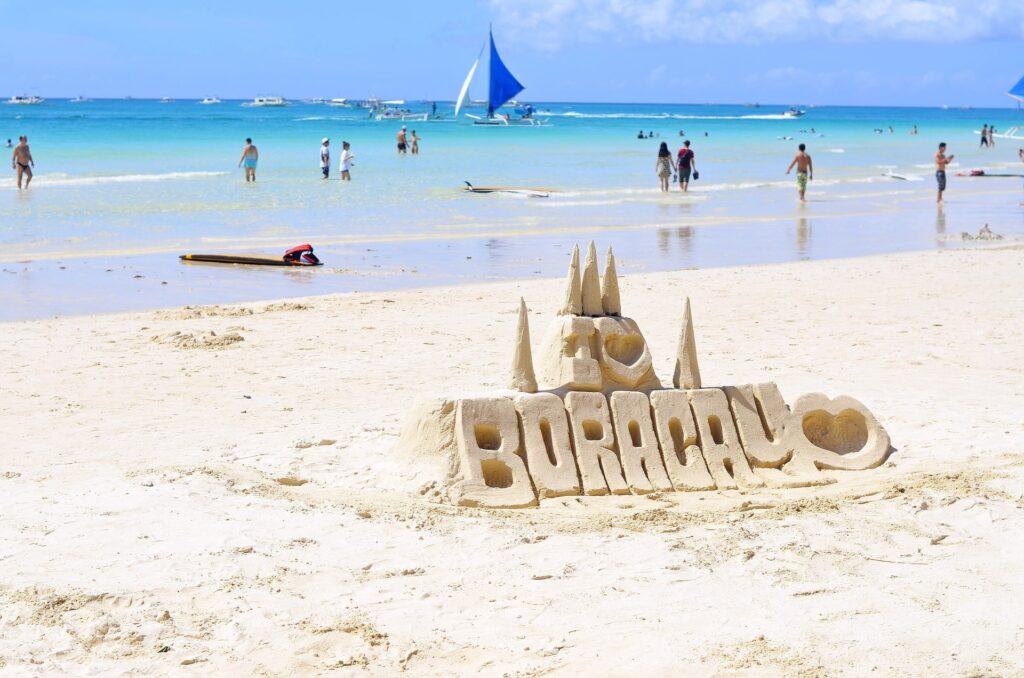
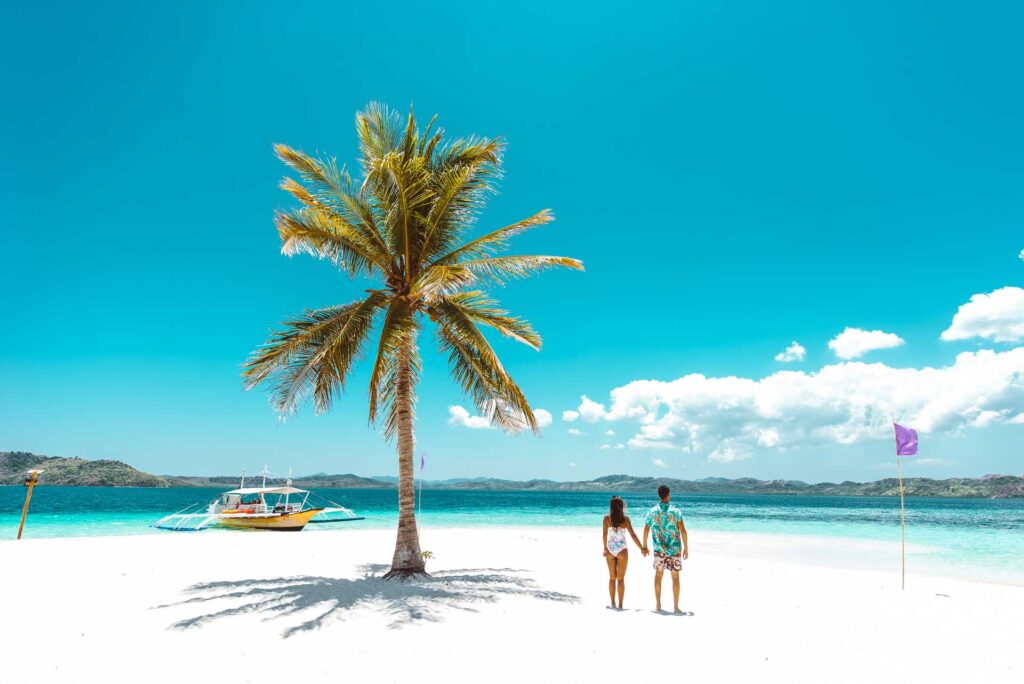
The Republic of the Philippines spreads over 7,000 islands along the western edge of the Pacific, sitting close to the equator. That position keeps the country warm the year round, and gives it long stretches of soft white sand backed by shallow water in shades of green so clear you can count the stones on the bottom. Major travel publications put these beaches on their best-of lists year after year. For island-hopping and days spent in the water, few destinations come close.
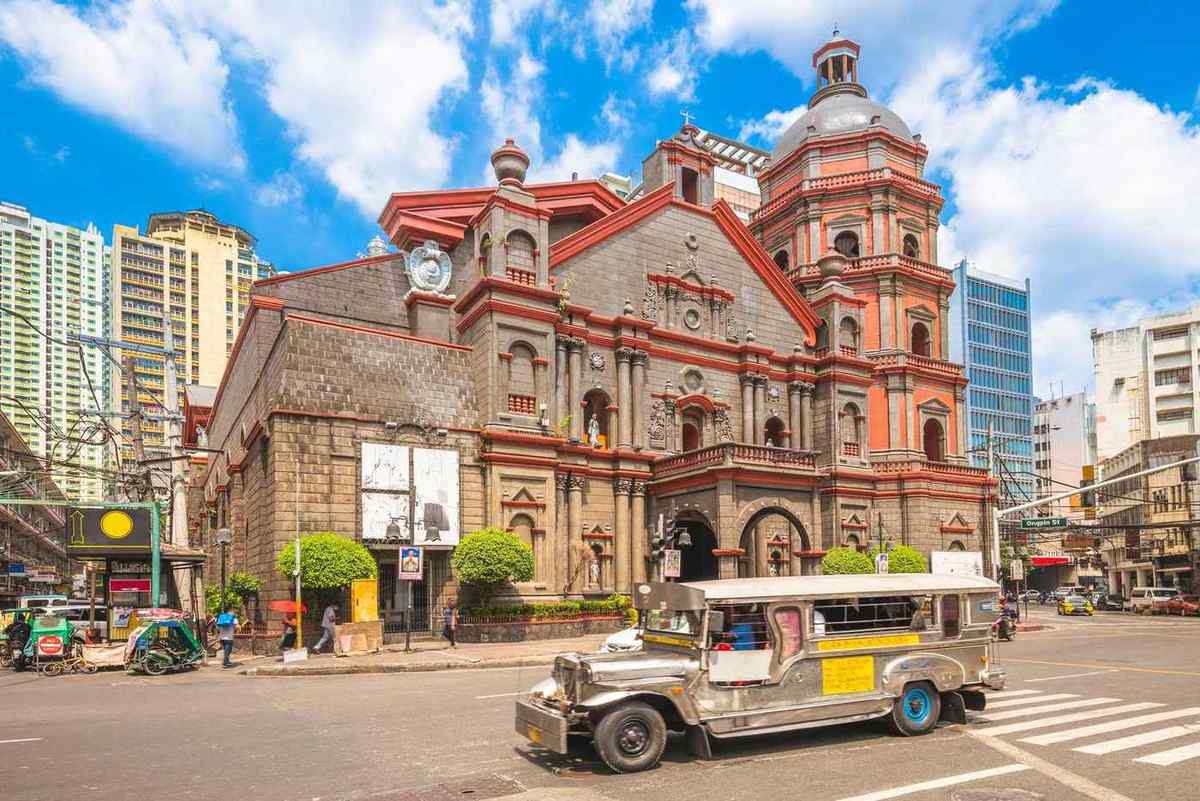
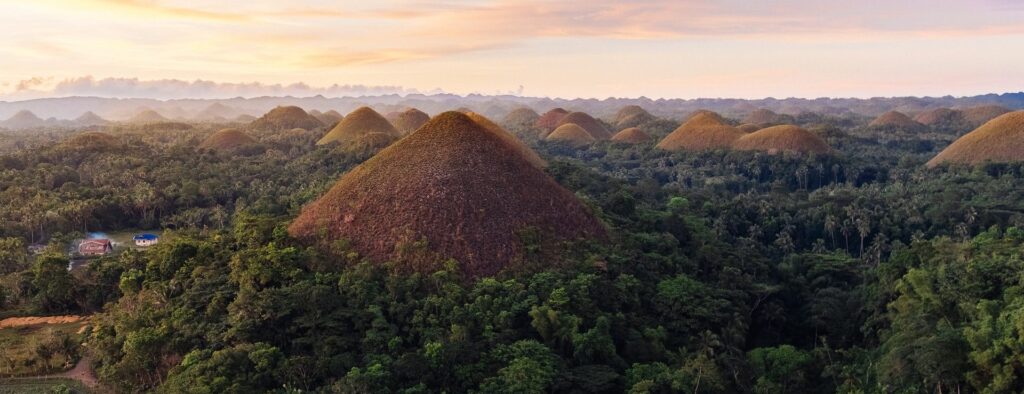
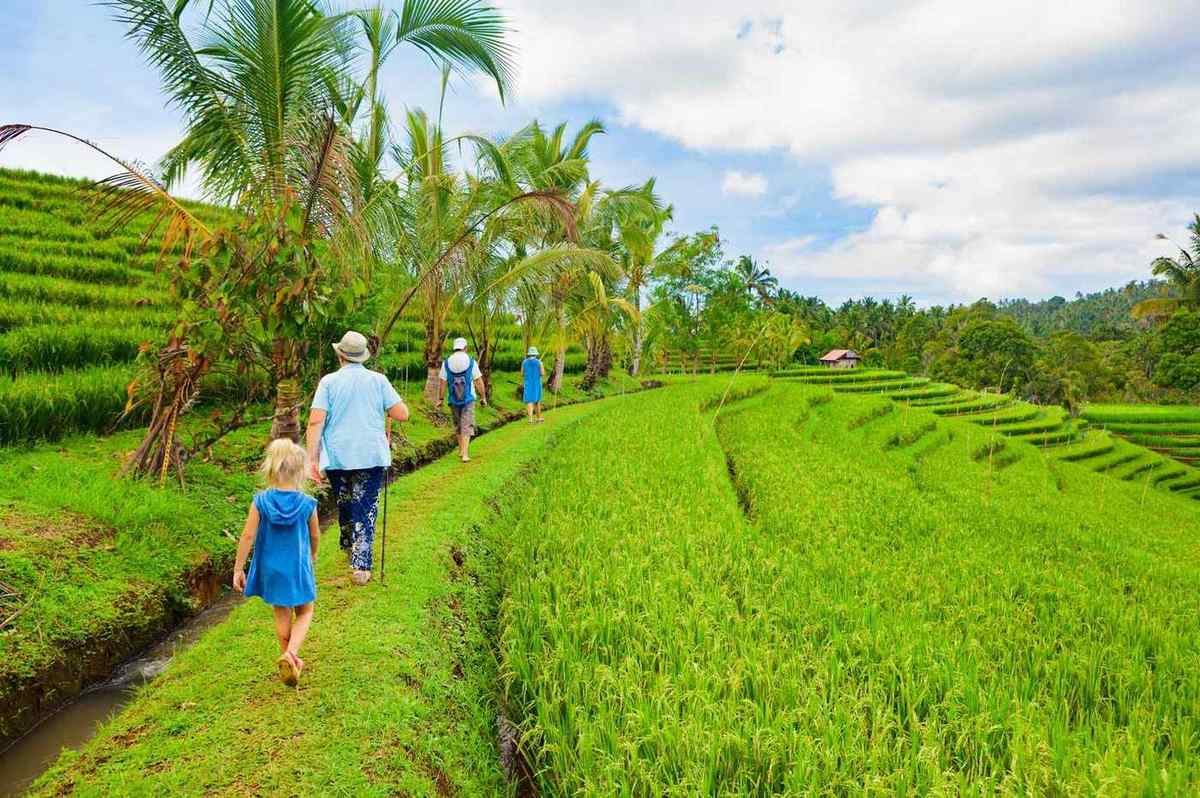
Then come the natural set pieces the country is known for abroad: rivers that run beneath the ground, rice terraces stacked up steep hillsides, and dive sites thick with marine life. The cities supply their own kind of energy, with high-rise towers, streets full of history, nights that go on, food worth travelling for, shopping centres bigger than any others in Asia, and jeepneys painted end to end. What most visitors carry home, though, is the way they were treated. Here, everyone is folded into the fun.
Long before it took shape as a modern nation, this was simply a scatter of islands held by indigenous peoples thought to have crossed over from Borneo, with Malay and Indonesian settlers arriving in later waves.
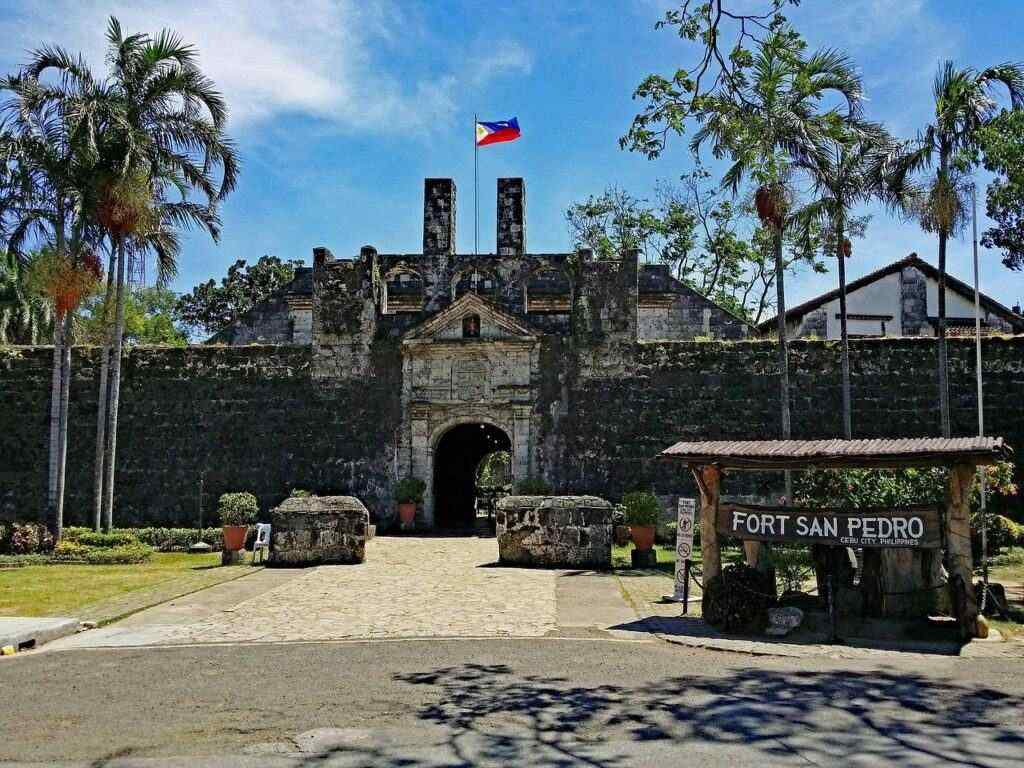
Ferdinand Magellan, a Portuguese navigator sailing under the Spanish Crown, reached the islands in 1521 during Europe's 'Age of Discovery'. Local resistance did not stop Spain from taking control, and the territory was named for King Philipp II, who ruled at the time. Spanish rule held for 300 years and put down uprising after uprising. When the Spanish-American war ended in 1898, the islands passed to the United States. Independence was pushed back by the Second World War and Japan's invasion, though self-government had already arrived in 1935. American forces retook the remaining islands in 1944-45, and 1946 brought the proclamation of the Republic of the Philippines, its system of government modelled on Washington's.
Ferdinand Marcos won the presidency in 1965. He imposed martial law in 1972 and kept it in force until 1981. Twenty years into his rule, in 1986, he was forced out. Corazon Aquino took office and opened a democratic chapter for the country.
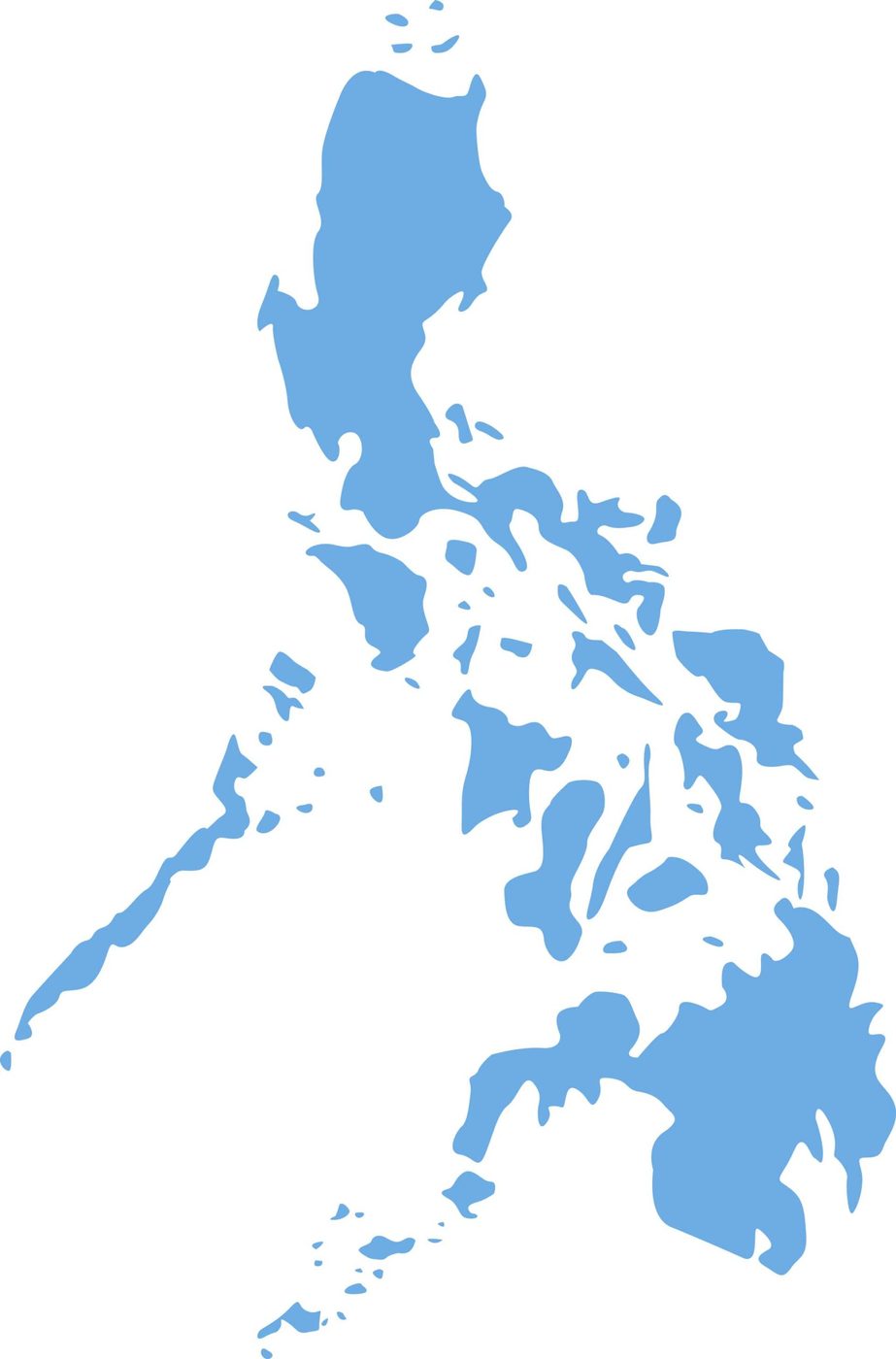
Geographers divide the country into three parts: Luzon, the big island in the north that holds Manila; Mindanao, equally large, far to the south; then the Visayas, the cluster of islands sitting between those two.
Add up every shore and you get some 21,000 miles of shoreline. Plenty of it is broken and uneven, cut by harbours and small sheltered coves. The interior runs to mountains, a few of them climbing to nearly 10,000 feet, while fertile plains spread along the coasts and across the centre. Volcanoes are common and some erupt often. Tropical rain forest and coral reef here support life found nowhere else, which has earned the country the description of ten Galapagos Islands rolled into one. Only about a third of the islands have anyone living on them.
The climate is tropical, though for much of the year it sits a little cooler and drier than others in the same band. The calendar splits roughly in half, six months dry and six months very wet. From late April into early June the air is hot and heavy with almost no rain. Typhoons arrive between June and September.
Plan a visit between January and May. March runs hot and dry, the rains fall from June through October, and the cool months run from November through February. Temperatures average 78°F/25°C to 90°F/32°C, with humidity around 77%.
Set against the rest of Asia, this is an unusually Christian country, and Catholicism took root here through the long Spanish presence. Roman Catholics account for most of the population, with the remainder spread across other Christian and Protestant denominations. Islam is concentrated in the islands of the south. Beyond those, smaller numbers keep to indigenous beliefs and practices with no western origin.
Filipino culture manages to be varied and unified at the same time. Long-held customs speak to faith, to belonging within a group, to closeness with the natural world and to a habit of celebrating. East and West meet here, an Asian foundation carrying strong Western layers laid down by Spanish and American rule. Tagalog is the national language and English the second, spoken by most of the population, while 150 dialects circulate across the islands. Filipinos are largely of Malay descent, many also carrying Chinese ancestry, some Spanish or American. That deep Spanish connection shows: people are open with their feelings and passionate about food, music and living well, in a manner that reads more Latin than Asian.