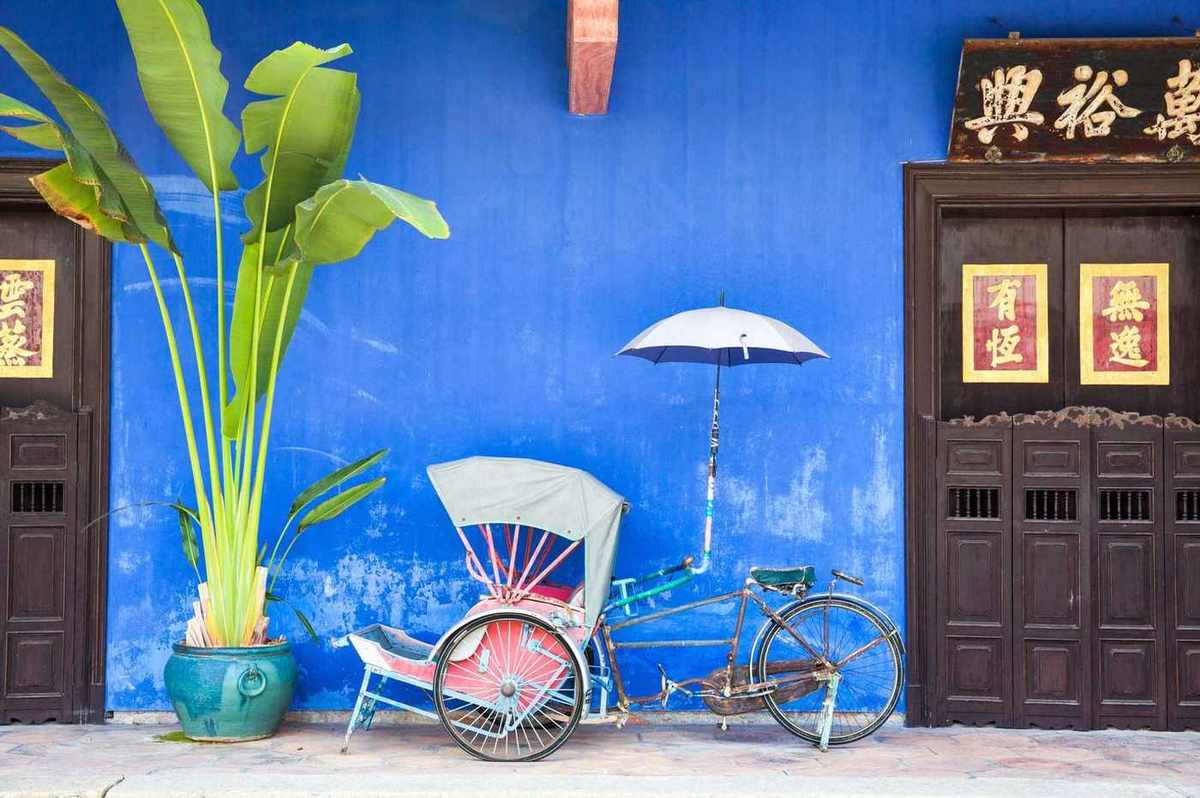
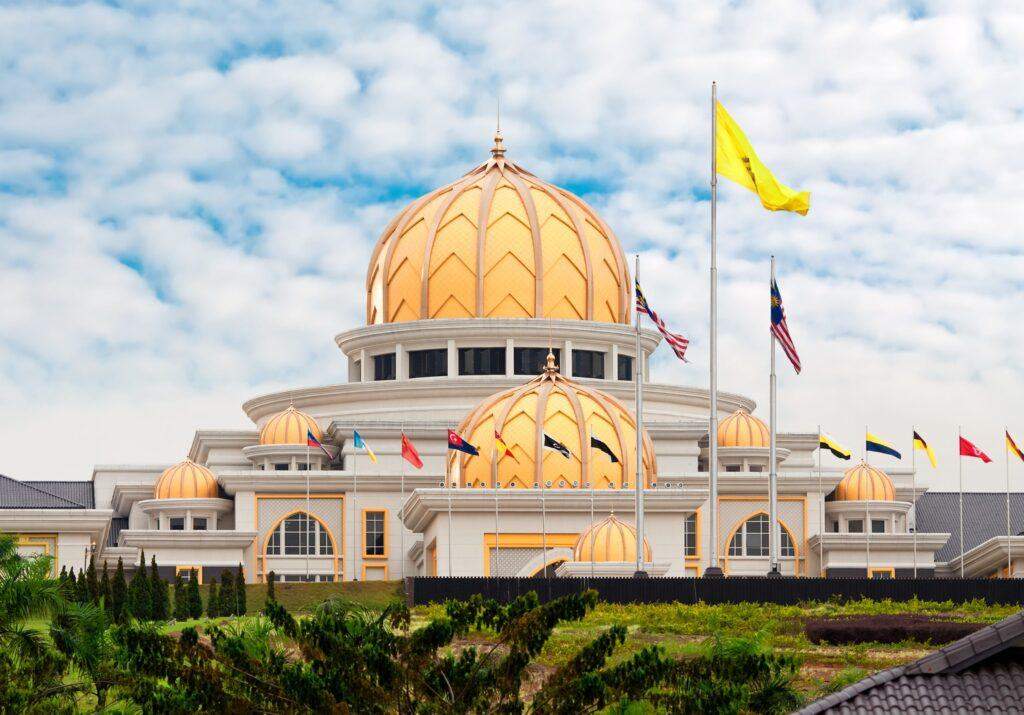
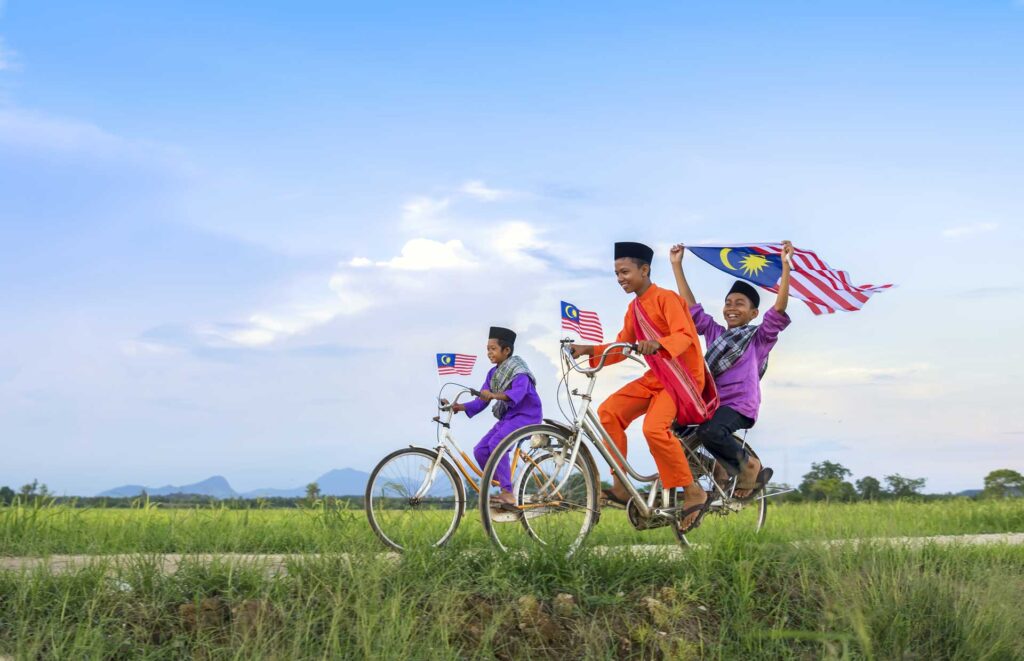
Malaysia is often pointed to as proof that a society can work across many cultures. That mix shows up in the art, the festivals, the calendar and above all the food, each community bringing its own best.
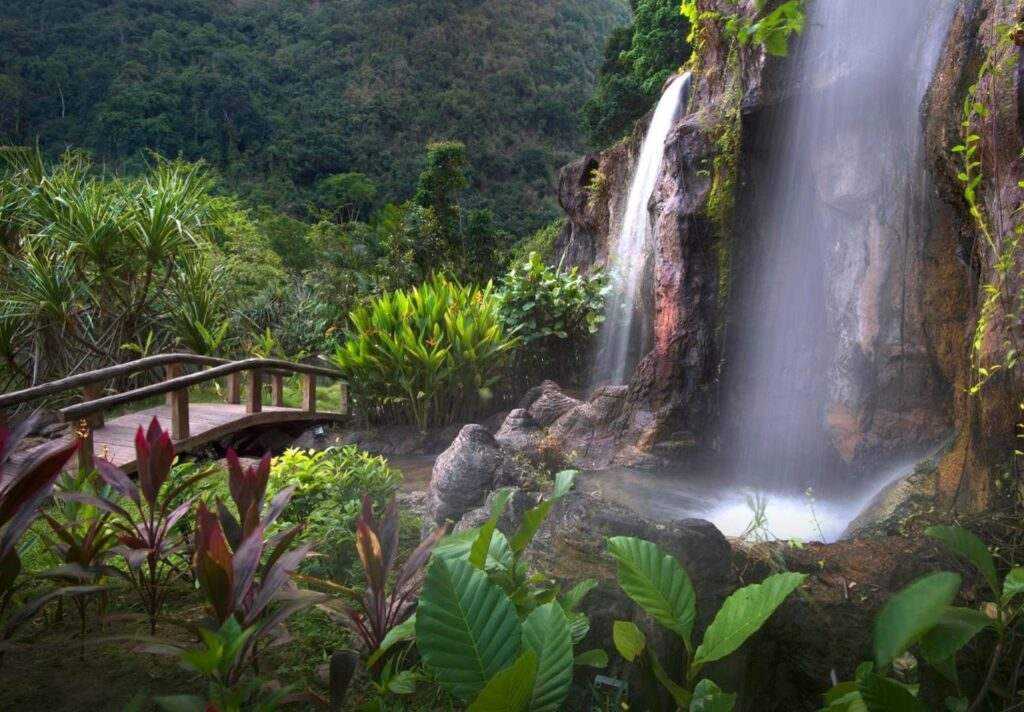
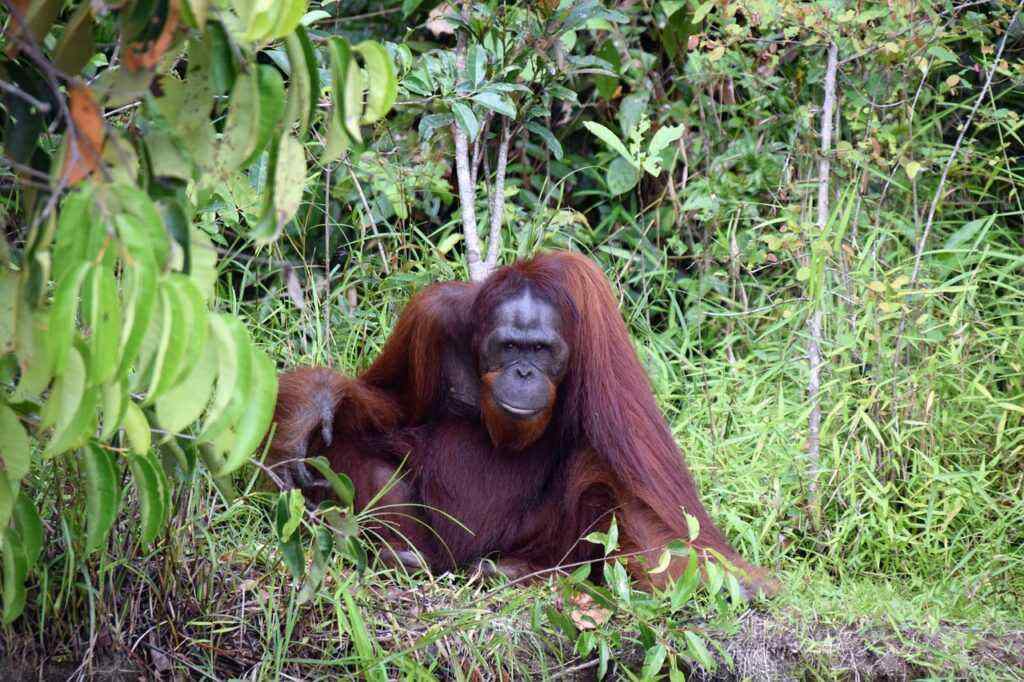
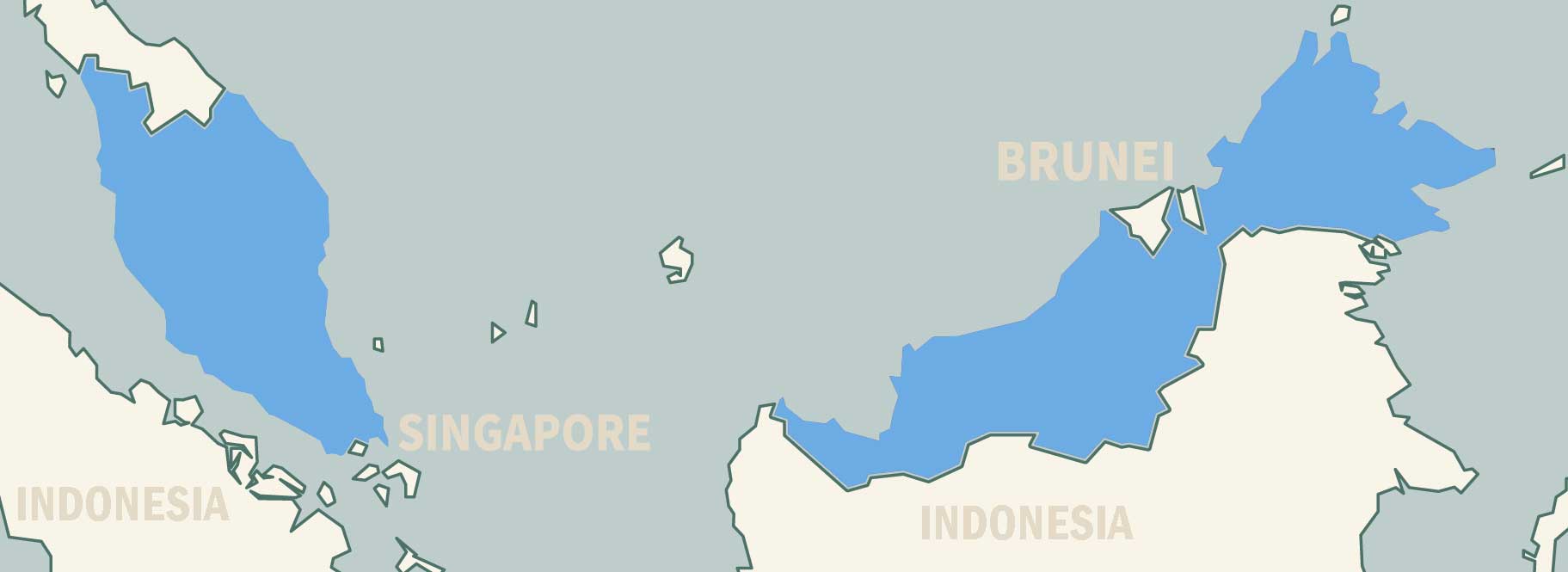
The country comes in two separate pieces: Peninsular Malaysia in the west and Malaysian Borneo in the east. The west has the busy cities, the older architecture, tea plantations up in the cool air and islands that stay quiet. The east runs to jungle thick with wildlife, granite peaks and islands barely touched, where remote indigenous communities still live.
Whichever kind of traveller you are, something here is built for you: white sand and serious national parks at one end, cities with the shopping, restaurants and nightlife at the other.
A multi-ethnic, multi-religious nation in Southeast Asia, and among the region's richest and most developed; only Singapore, and Brunei with its oil, sit above it on GNP. The Federation of Malaya took independence on 31 August 1957.
Expansion came on 16 September 1963, when Singapore, Sarawak and Sabah, until then British North Borneo, joined it. The name Malaysia dates from that day. Singapore went its own way on 9 August 1965.
The country lies a little north of the Equator, and the South China Sea splits it in two: Peninsular Malaysia to the west, Malaysian Borneo to the east. The peninsula meets Thailand along its northern border, while at its southern tip Singapore is reached by a causeway and, separately, a bridge.
East Malaysia is made up of Sarawak and Sabah, the two largest states, with about 400 miles (640 km) of sea lying between them and the peninsula.
Malaysia sits on the equator, so the pattern is heat, humidity and monsoon rain rather than seasons. It splits into three weather zones.
1. Lowlands & Highlands (Kuala Lumpur, Malacca and Cameron Highlands)
Hot and sticky all year in Kuala Lumpur and Malacca, with a shower most days. The highlands run far cooler, around 22 ºC by day and 15 ºC at night, and take heavy rain from September into early December.
2. West Coast (Langkawi, Penang and Pangkor)
Standard tropics: sun, humidity and showers at any point in the year, heaviest through September and October.
3. East Coast (Kuantan, Tioman Island, Perhentian Islands, Terengganu, Redang and Kota Bharu)
Mostly sunny, with the warm South China Sea alongside. Keep groups off the islands during the North-East Monsoon from November to February, when the rain gets heavy enough to cancel boats. Outside those months the east coast is the driest part of the country.
Races and religions overlap here. Islam is the faith of the majority, 61% of the population. Among the large Chinese community, practice tends to blend several traditions, Buddhism and Daoism included. Many Malaysian Indians are Hindu. Religious freedom is written into the law, and denominations of every kind live alongside one another without friction. Christmas, Chinese New Year and Deepavali are all national holidays, as are the Islamic ones.
What sets the place apart is the mix itself. Over centuries the original Malays took in newcomers from Arabia and India, from China and lands further off, and those cultures grew together into one shared identity. The roll call runs long: Malay Muslims; Chinese who follow Taoism or Buddhism; Indian Hindus; a large indigenous population; Eurasians, Peranakans and others besides. Every one of them calls themselves Malaysian.