Skip to content

Japan

Where the Sun Rises First

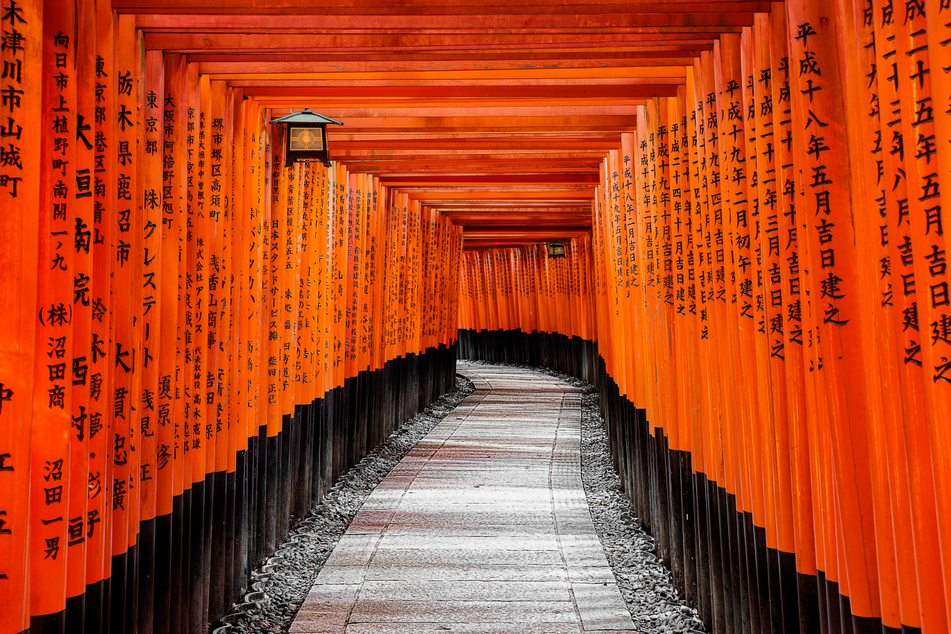
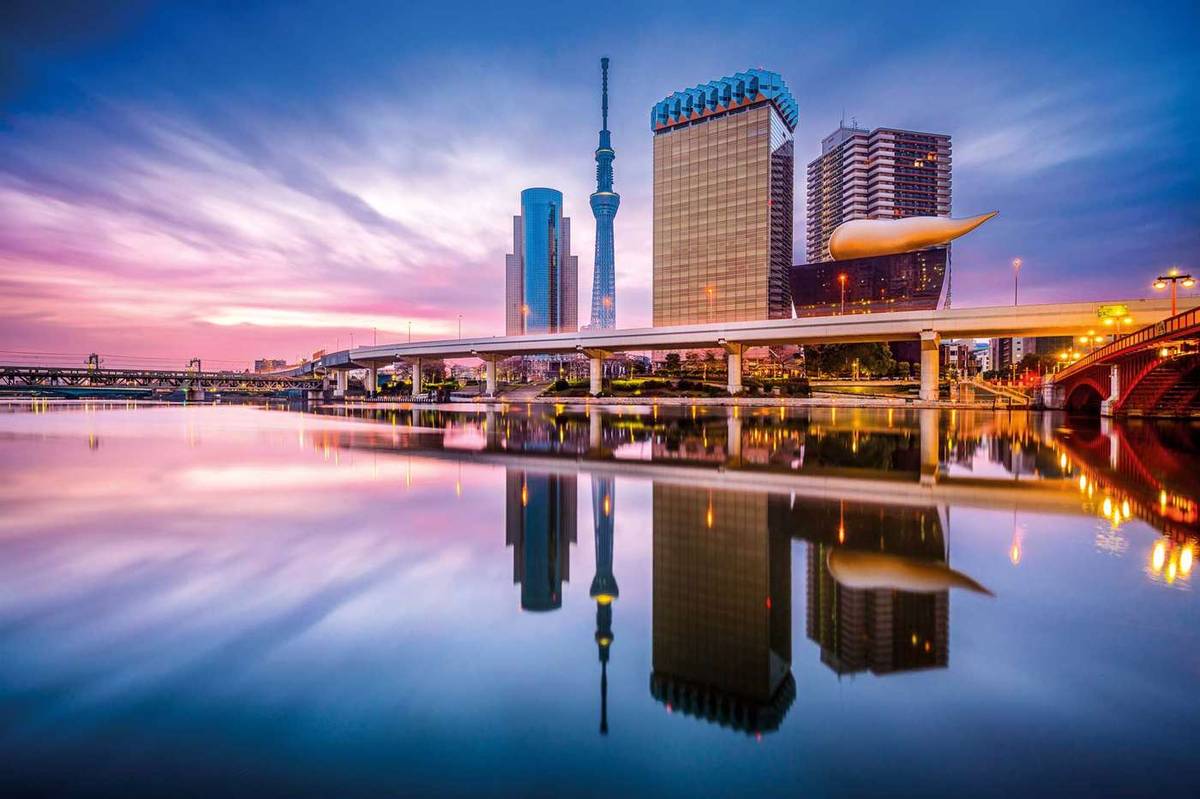
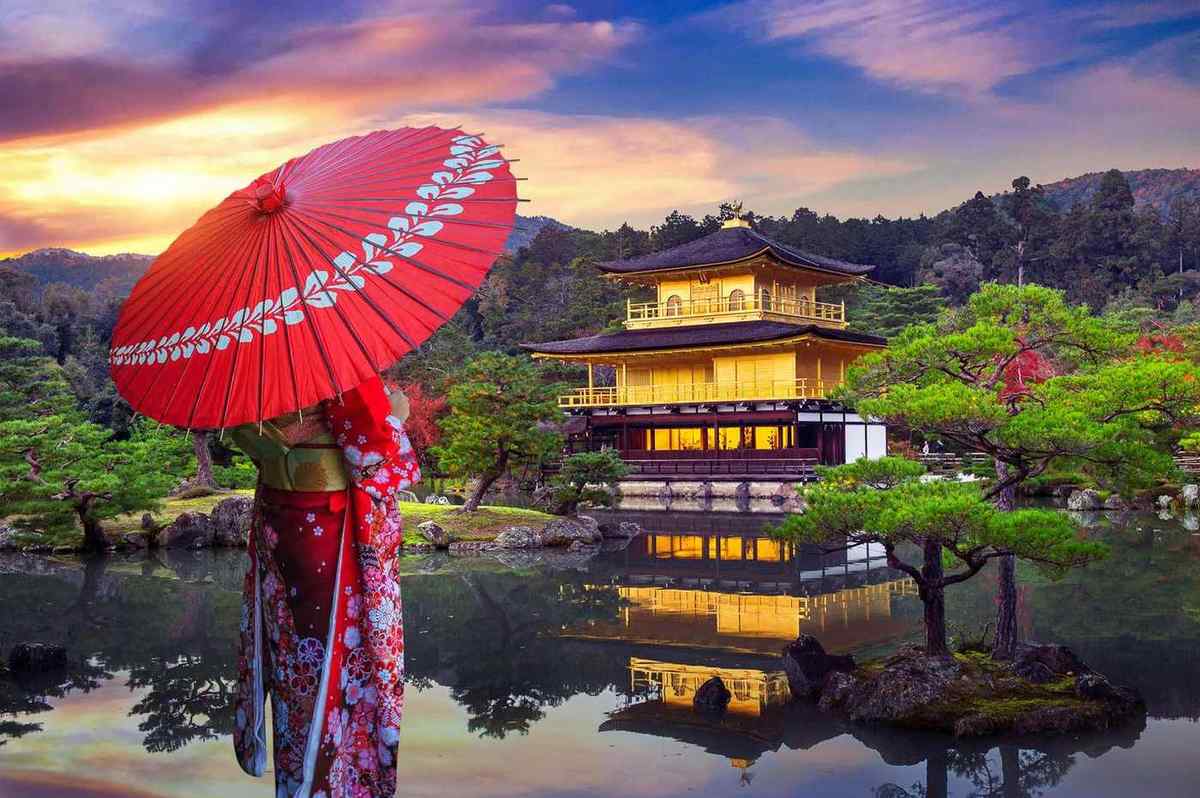
High-rise cities and cutting-edge technology sit alongside quiet country villages where old customs still hold, and the contrast is much of the appeal. Feel the pace of Tokyo, stand in front of Mt. Fuji, then slow down among the lakes, shrines and craft workshops of Hakone. The courtesy you meet from people along the way tends to be what visitors remember longest.
Beyond just Sushi

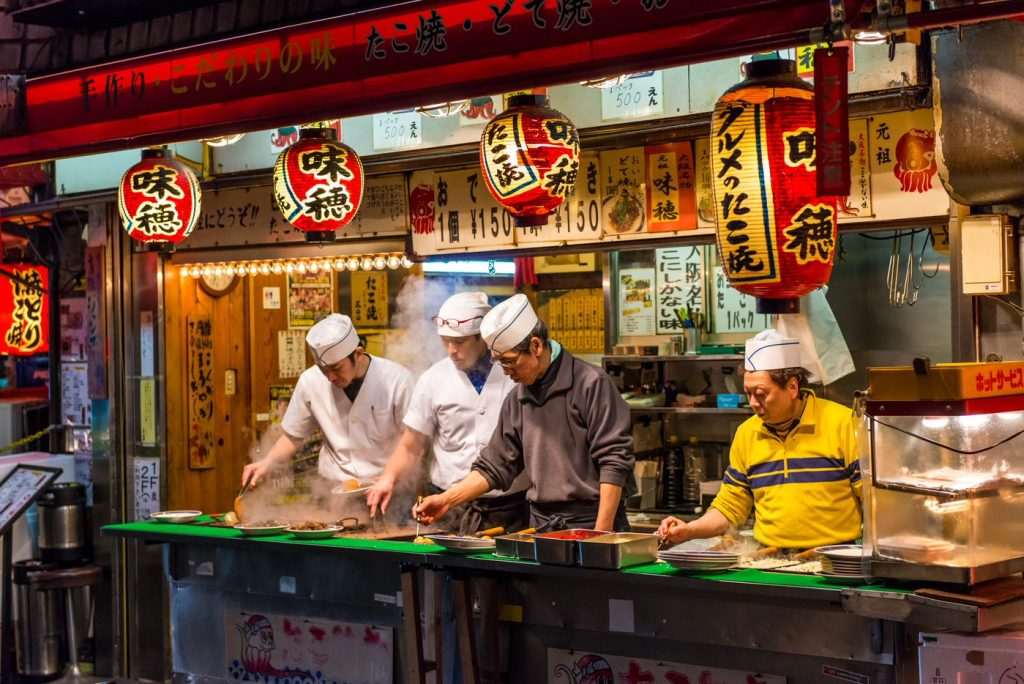
There is a great deal more to eat here than sushi. Sit in a tea garden over a bowl of matcha, the powdered green tea, or take your time through a kaiseki meal, course by course. Learn to pack a bento properly, then head for the Dotombori district in Osaka and eat okonomiyaki hot off the griddle. The range of Japanese cooking keeps opening up the longer you stay.
Unique Encounters

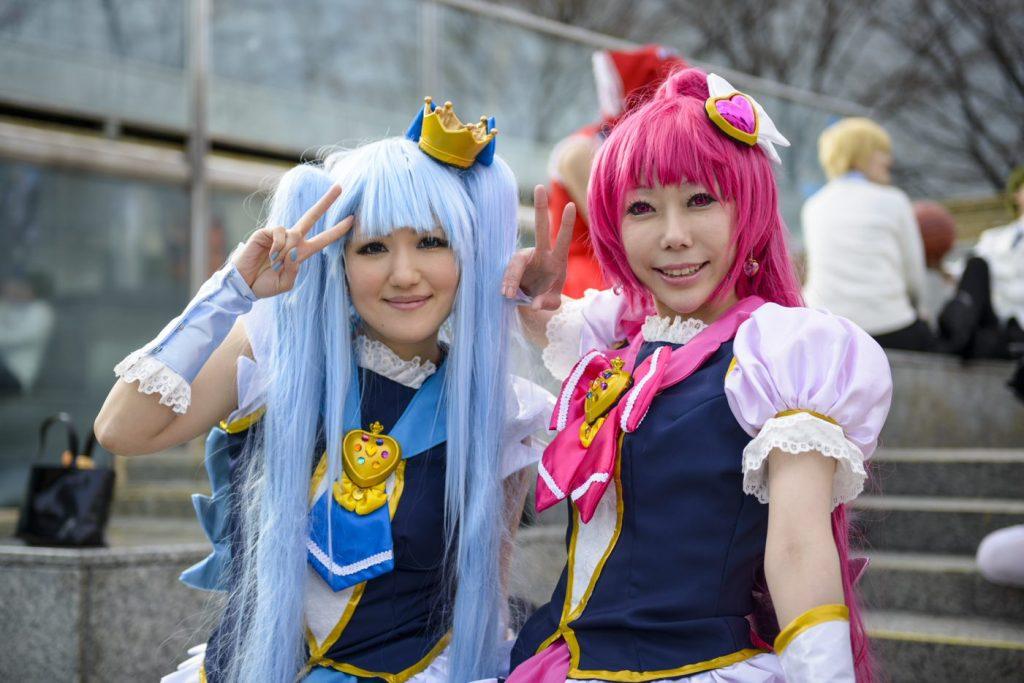
Old practice and new thinking sit side by side, and that mix shapes daily life. Meet a Maiko, the apprentice stage of a Geisha, and hear how the craft is handed down. Ride the bullet train the way commuters do, watching the country slide past at speed. Encounters like these are what give the place its particular character.
Local Discoveries

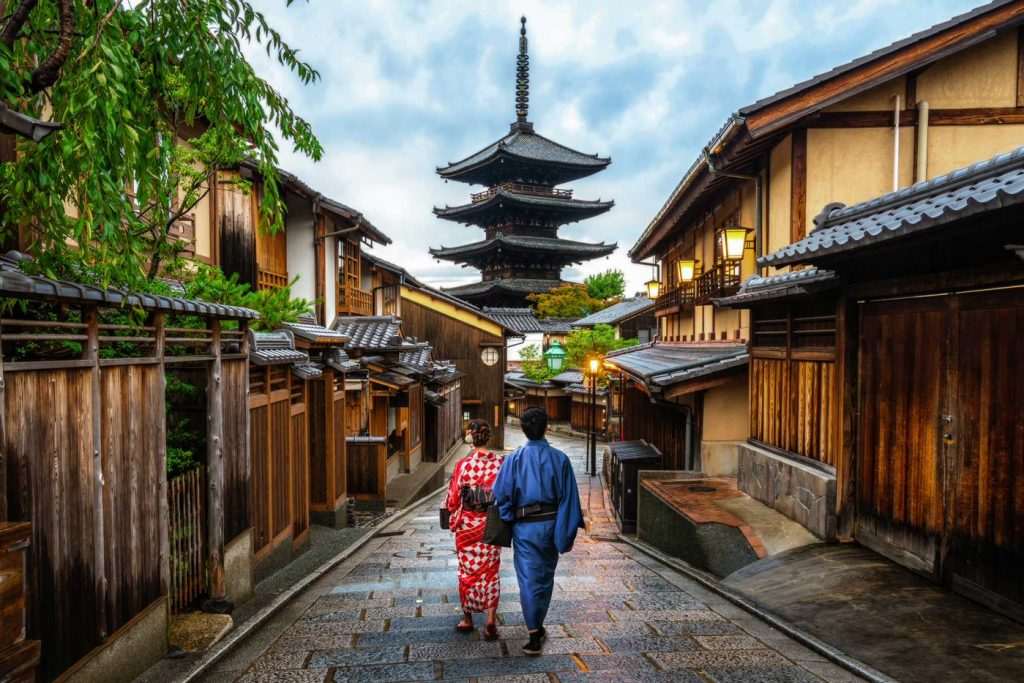
Share a meal with sumo wrestlers, or spend an afternoon walking a village given over to bonsai growers. Few countries hand you this many experiences you could not have somewhere else. Small moments accumulate, and by the end of the trip they are the parts you keep talking about long afterwards.
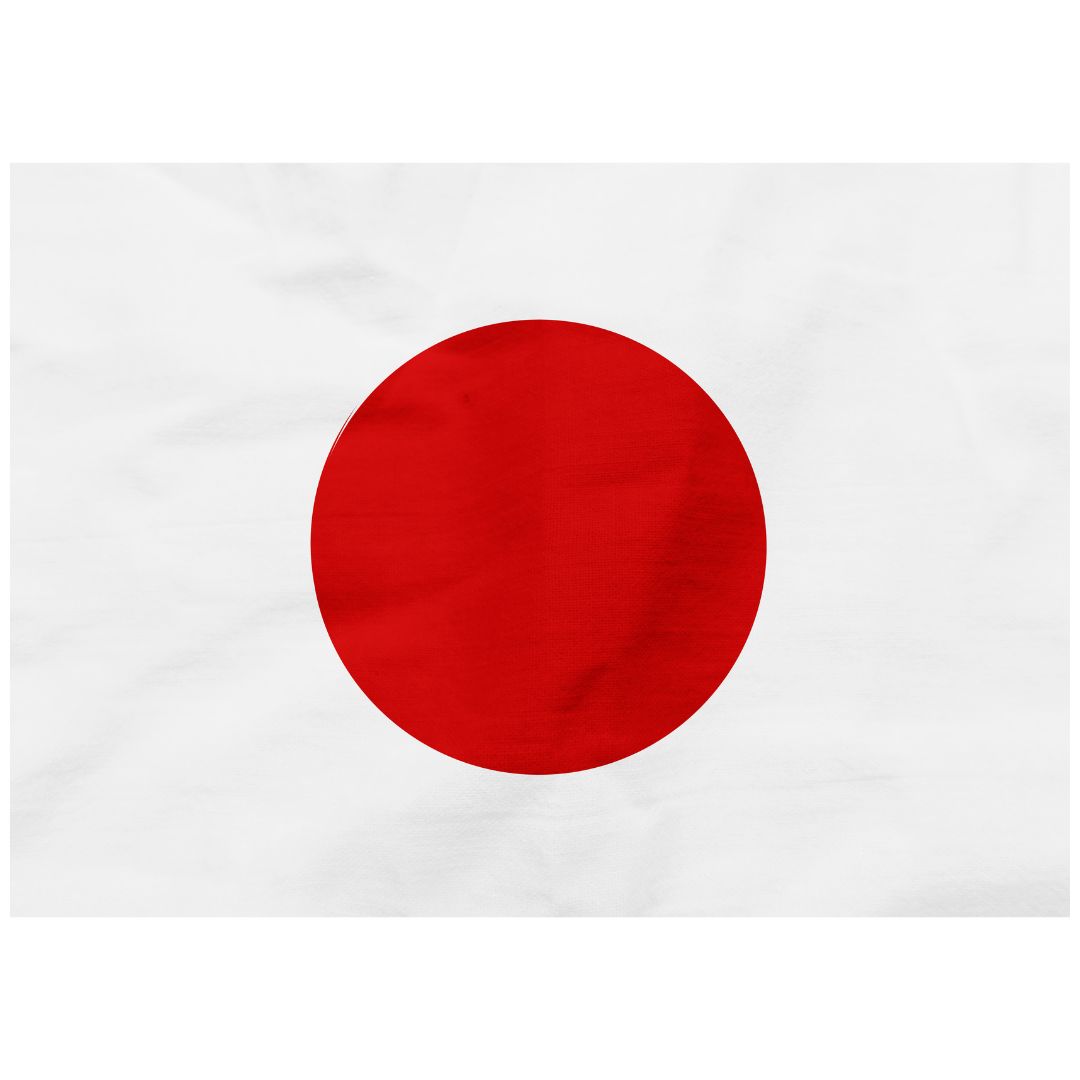
Japanese-flag-icon

Top Highlights

Japan Map and Infos

Capital

Tokyo

Currency

Yen

Language

Japanese

Population

125 Million

Religion

Shinto & Buddhism

Time

GMT+9

Sitting in East Asia, Japan holds long-standing custom and modern life together without much friction. Mount Fuji anchors the view; Tokyo and Kyoto anchor most itineraries; between them the terrain shifts constantly. Hospitality here is a serious matter, worked out in small details and a genuinely warm reception. The food has admirers everywhere for its flavour and for the care taken in plating it. The arts run from classical theatre through to anime, and the country's heritage is open to anyone willing to spend time with it. That balance of the old and the new is what stays with visitors.

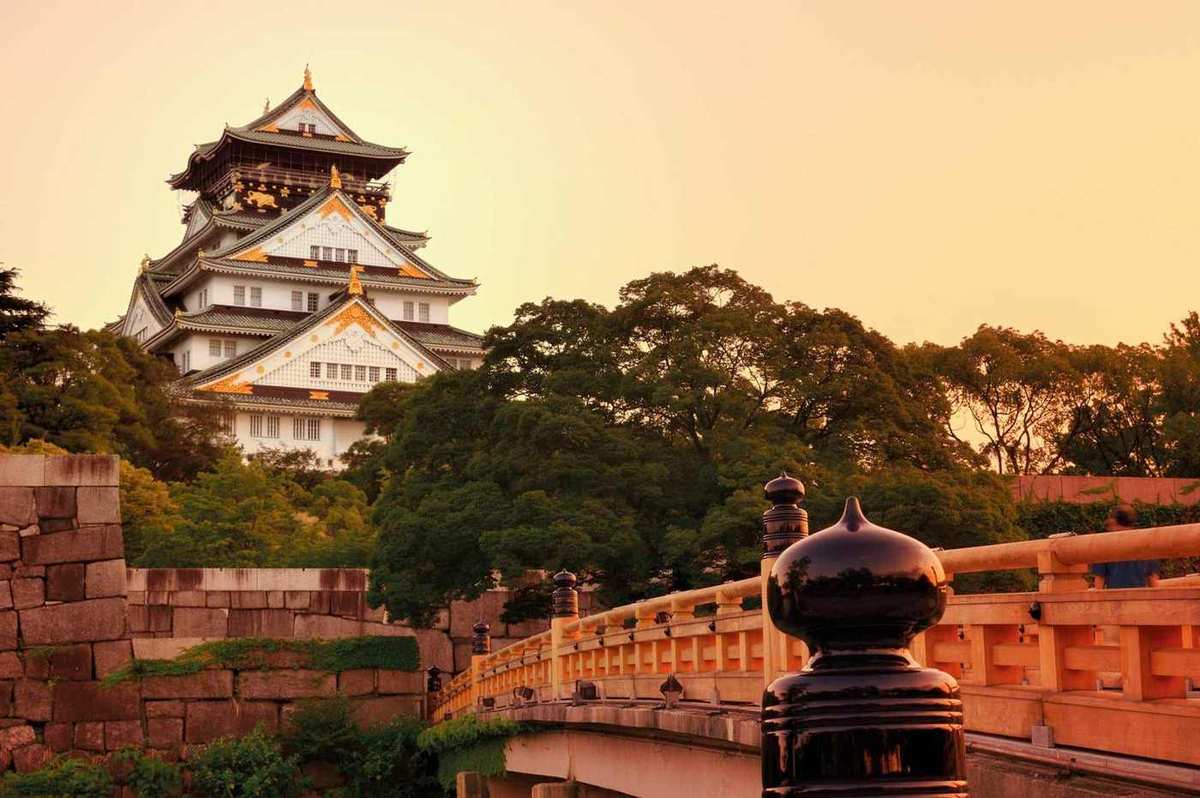
The Japanese record stretches back millennia, marked by upheaval and repeated cultural change. Early on came ruling houses, the Yamato among them, followed by centuries of feudal order under samurai rule. During the 1800s the country turned outward, industrialising quickly and reforming its politics. The system today is a constitutional monarchy: the Emperor holds a ceremonial role, while the Prime Minister, selected by the National Diet, runs the government. That Diet sits in two chambers, the House of Councillors together with the House of Representatives. Between them they pass legislation and speak for the electorate.

The archipelago lies off the eastern edge of Asia, built around four principal islands, Honshu, Hokkaido, Kyushu and Shikoku, with a great many smaller ones besides. Forested mountains, live volcanoes and a long, broken coastline make up much of the scenery. Climate shifts as you travel, subtropical in the south and temperate through the middle of the country. The mix of terrain and natural resources leaves plenty of ground for walking, climbing and time spent outdoors.

The four seasons are sharply drawn here. Through winter, from December to February, Hokkaido and the north take deep snow and low temperatures, while the centre and south stay milder with the odd flurry. Cherry blossom arrives with spring, across March, April and May, as warmth returns nationwide. June through August turns hot and sticky, most of all in central and southern areas, with sudden showers and the chance of a typhoon. From September to November the leaves turn and the air cools, which many rate the best time to be outside. Whichever months you pick, the weather shapes what you see.


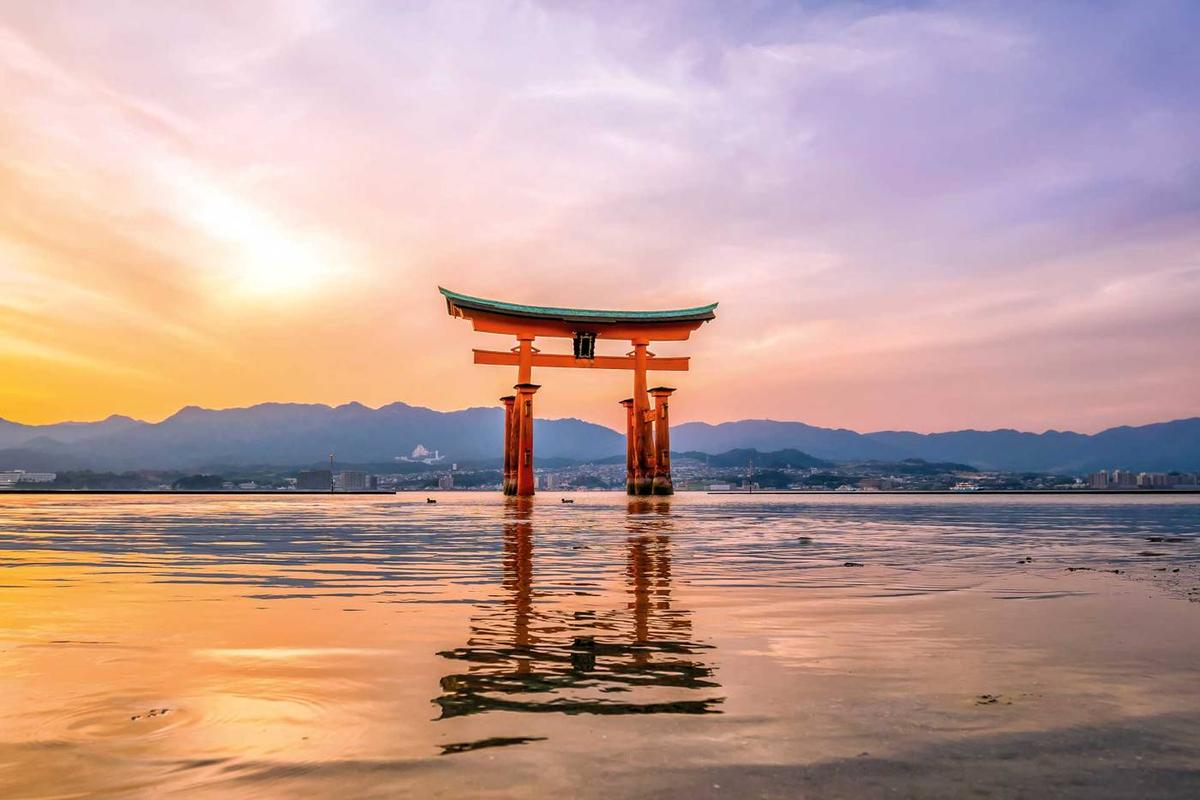
Several faiths run in parallel here without much tension between them. Shinto, native to the islands, matters a great deal culturally, centred on respect for the natural world and for ancestral spirits. Buddhism arrived by way of China and Korea and carries similar weight; plenty of people observe both at once and see no conflict in doing so. Smaller communities of Christians, Muslims and others live alongside them. What results is a religious life that draws on old practice, absorbs newer influence, and leaves room for everyone.

Japanese culture pulls together very old practice and present-day influence. Respect, balance and close attention to detail underpin most of it. That shows in the formality of the tea ceremony, in the discipline demanded by karate and judo, and in crafts like calligraphy and pottery refined over centuries. Cooking follows the same logic, with subtle flavours and dishes arranged as carefully as they are seasoned, because appearance counts for as much as taste. The result is a country that guards what it inherited while taking on whatever comes next.