Highlights
Sit down to 'chanko', the hearty stew sumo wrestlers put away by the bowlful to build the bulk their sport demands.
Wander the winding trails that thread between towering green stems in the bamboo groves at Arashiyama, a short way beyond Kyoto.
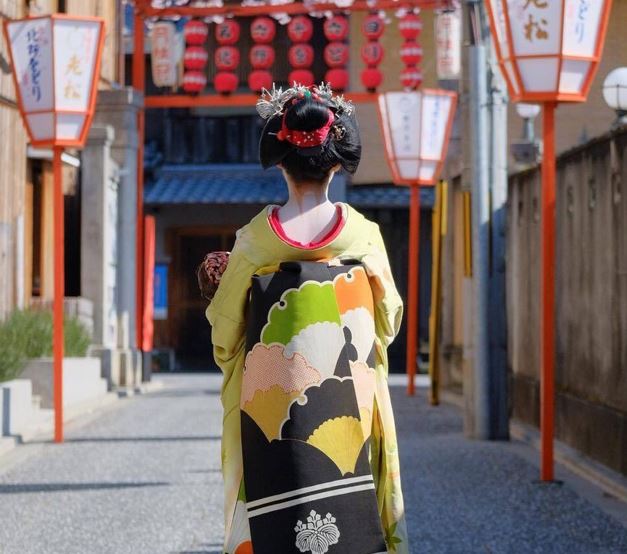
Sit down to a kaiseki dinner in Kyoto with a Maiko for company, and hear first-hand what the training years of an apprentice Geisha actually involve.
Tour Details
10 Days / 9 Nights
Departs Sundays
Trip Grading: Moderate
3 - 4 Star Hotels
Group Size 16 PAX (Maximum)
Includes Daily Breakfast, 2 Lunches, 2 Dinners
Guaranteed Departure with minimum of 4 PAX
Itinerary
Day 1: Arrival in Tokyo
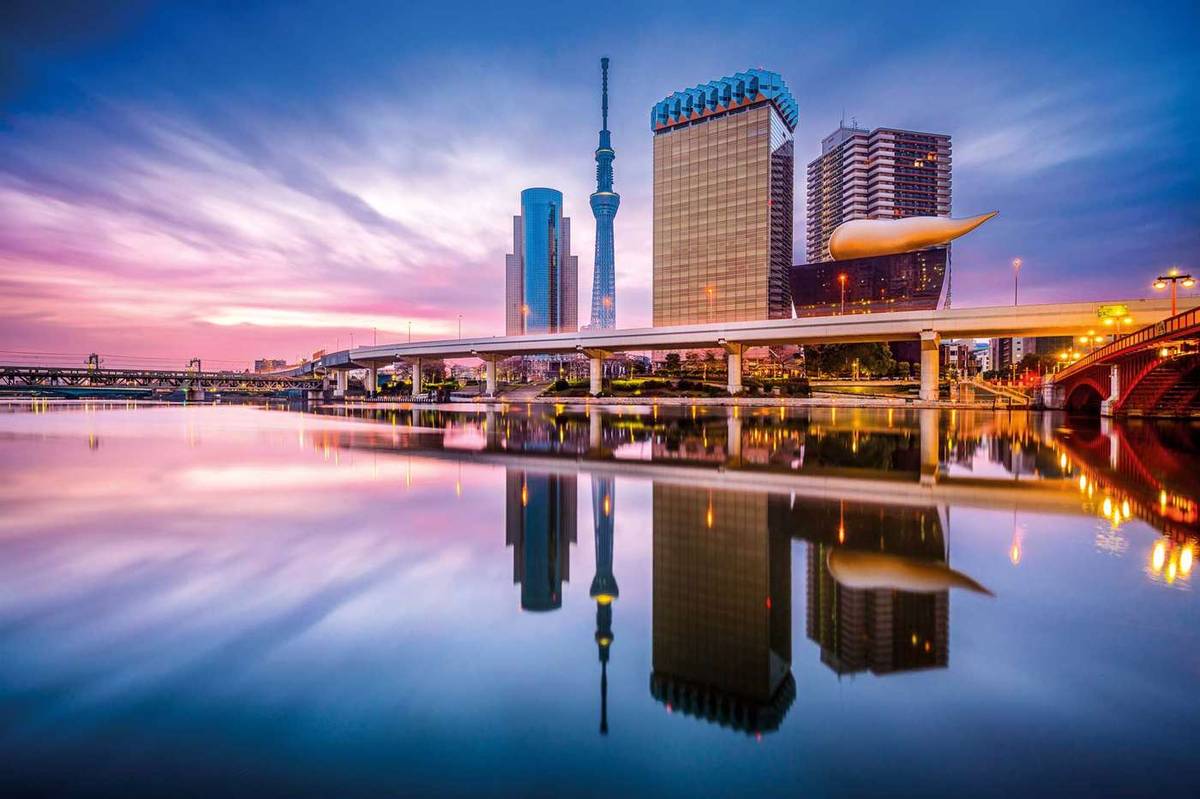
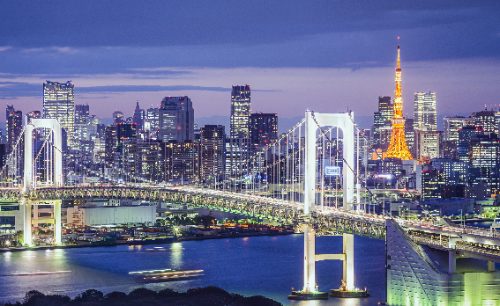
Land at Narita or Haneda Airport, where a shared transfer runs you to the hotel. The welcome briefing follows the next morning, on Day two. Your first two nights are at Shinjuku Washington Hotel Tokyu (or similar).
Day 2: Tokyo
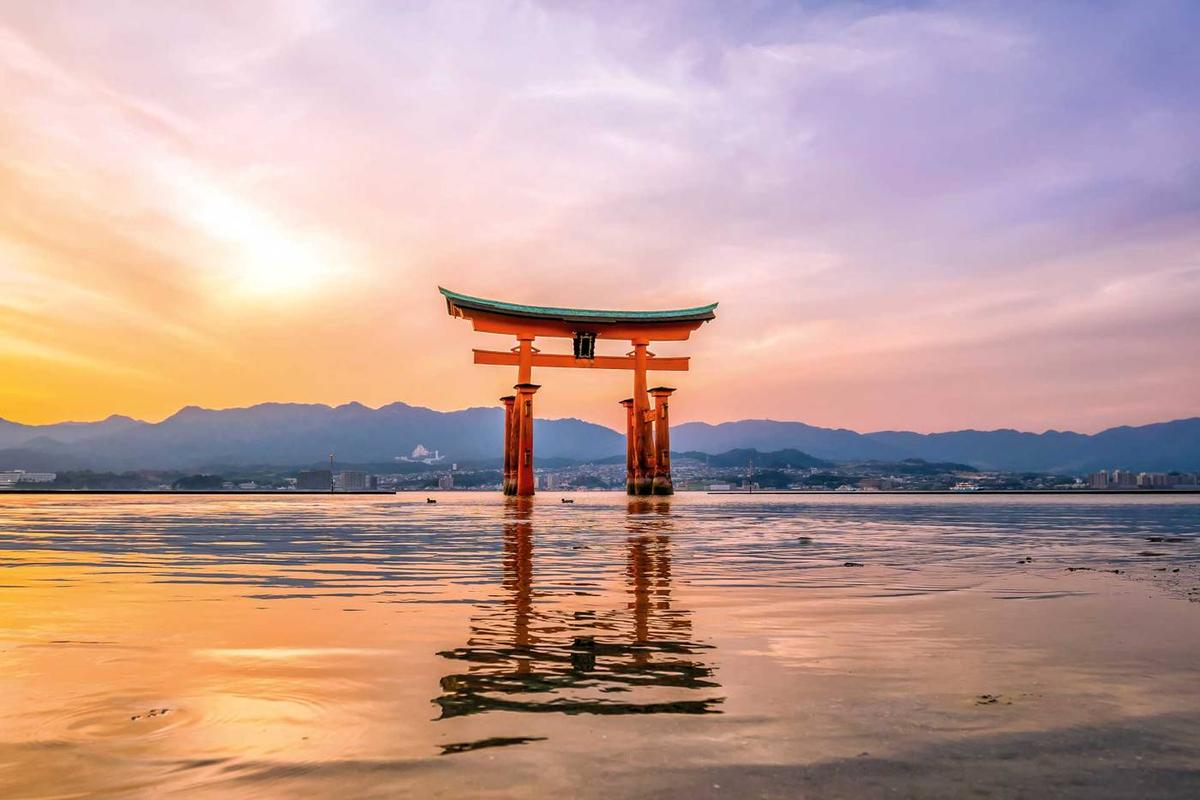
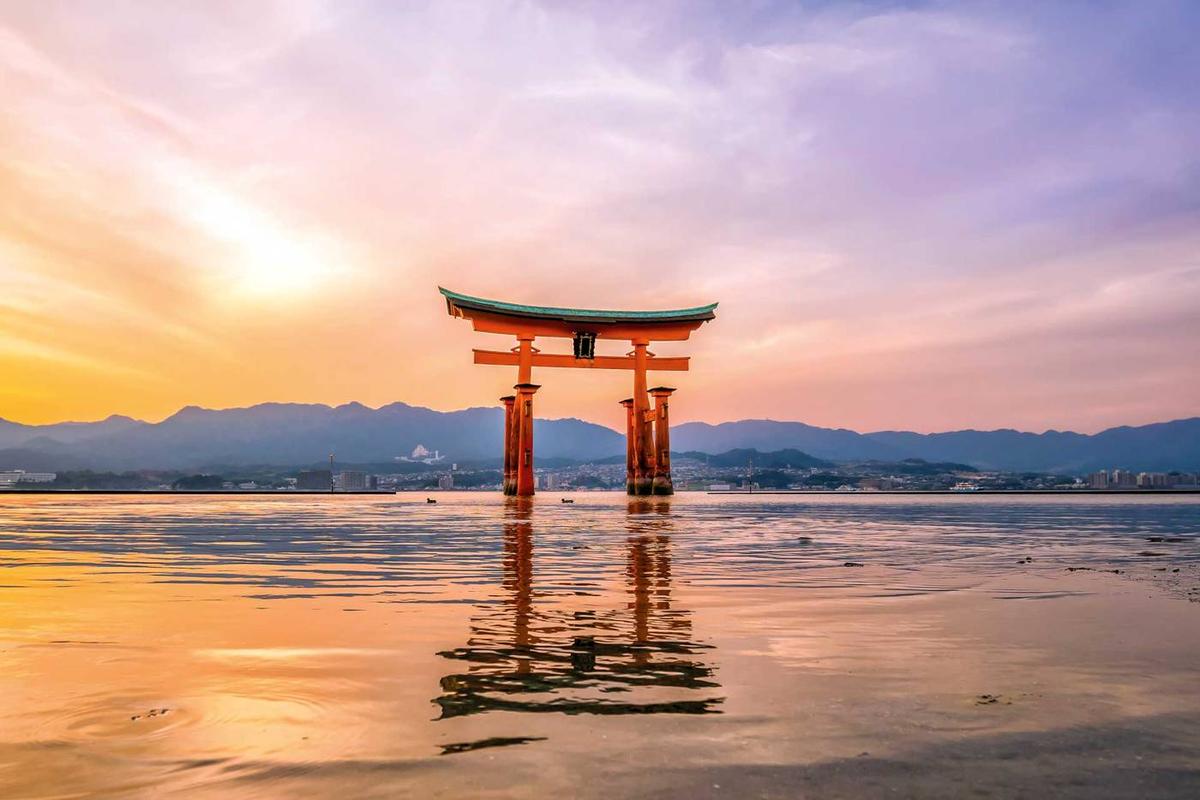
Today runs on foot and by subway. First stop is Meiji Jingu, the best known Shinto shrine in the city, entered beneath a torii gate standing 12 metres tall. Next comes the Imperial Palace and Nijubashi, a metal bridge dating from 1888. A train ride brings you to Asakusa, among the busiest quarters in Tokyo and a good address for street food, old izakaya and yakitori places. Over a 'chanko' lunch you learn how the sumo world works, sharing the table with wrestlers. Afterwards, pull on a sumo suit yourself and go up against a professional. There is time left in Asakusa before the hotel. (B,L)
Day 3: Tokyo to Hakone
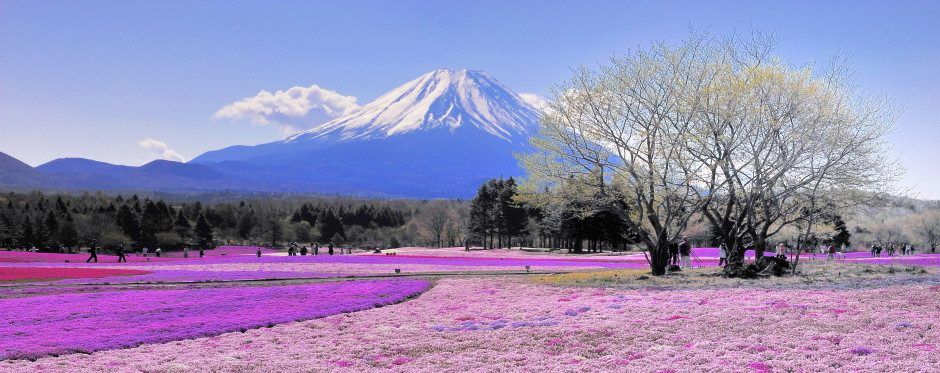
A train carries you to Hakone, a region known for its mountains, its scenery and its hot springs. Ride the ropeway for a long look over Lake Ashi, with Mt Fuji visible when the weather cooperates. A pirate ship then takes you across the lake before you head to your lodging, a ryokan in the traditional Japanese style. Dinner is a generous Japanese spread, followed by a soak in the onsen on site and a night on a futon laid over tatami. Overnight at Susukinohara Ichinoyu (or similar). (B,D)
Day 4: Hakone to Takayama
Another train leaves Hakone for Takayama, an old town whose historic quarter has survived largely intact and still feels of its period. Lunch on the way is a bento box. In town, Takayama Jinya, once a seat of government, opens a window on the country's past. Walk Kami Sannomachi Street, lined with wooden houses kept in beautiful condition, then see the ornate festival floats displayed at the Takayama Matsuri Yatai Kaikan. Free time follows before the walk back. Two nights at Takayama Ouan (or similar). (B,L)
Day 5: Takayama
The day is yours, in town or out of it. One option is Shirakawago, a protected World Heritage village set in fine country, where the thatched roofs are pitched sharply so the deep winter snow slides off. Alternatively, walk the Teramachi quarter with its temples and shrines, or make the short trip to Hida-Furukawa for its old buildings. (B)
Day 6: Takayama to Kyoto
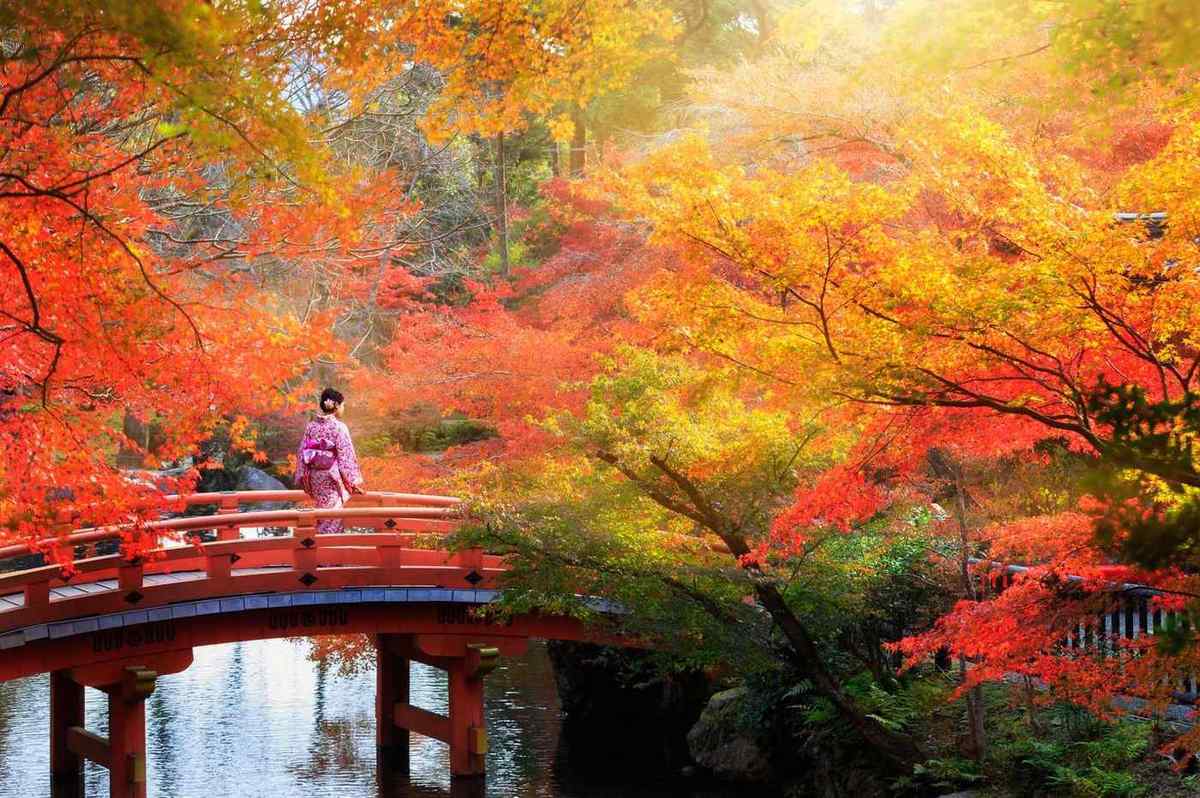
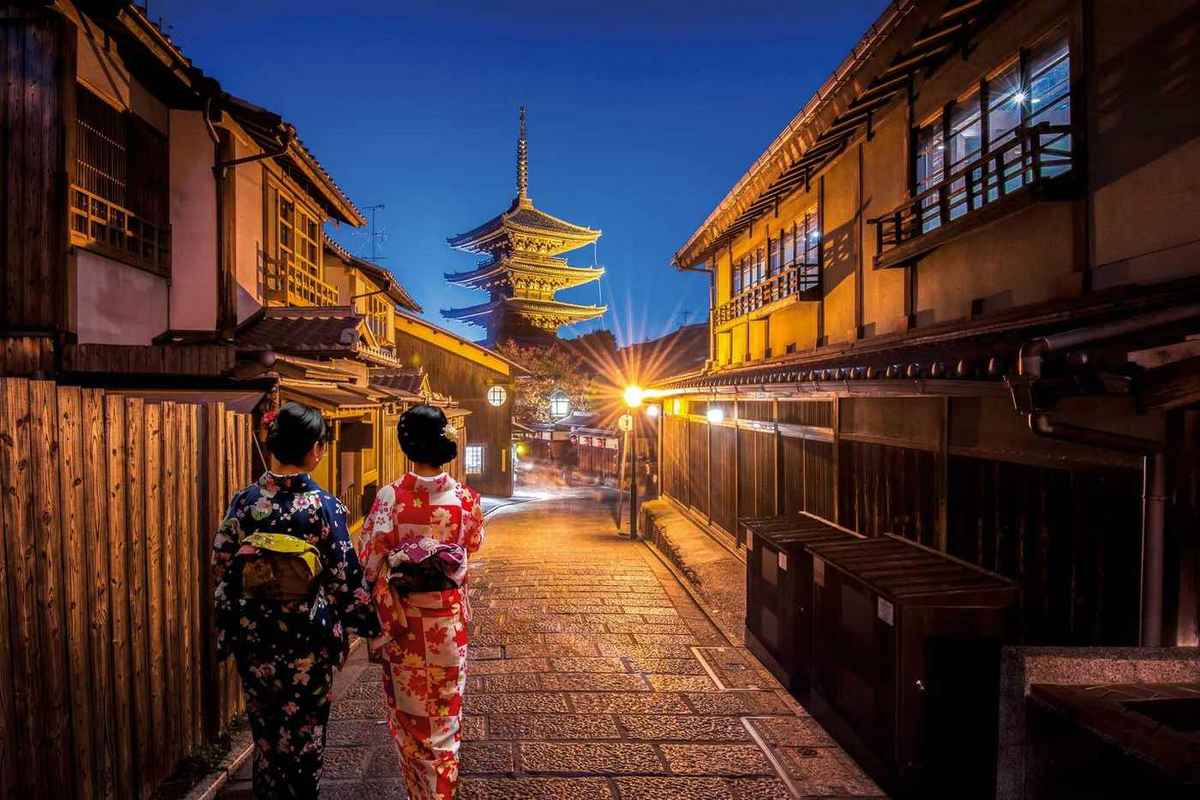
The train runs on to Kyoto, the country's cultural heart, where the Geisha tradition is centred and the imperial kitchen developed. Some free time follows your arrival. In the late afternoon there is a walk through Gion, taking in Hanami-koji Lane and Ponto-cho, where a Geisha may pass on her way to an engagement. Four nights at Miyako Hotell Kyoto Hachijo (or similar). (B)
Day 7: Kyoto
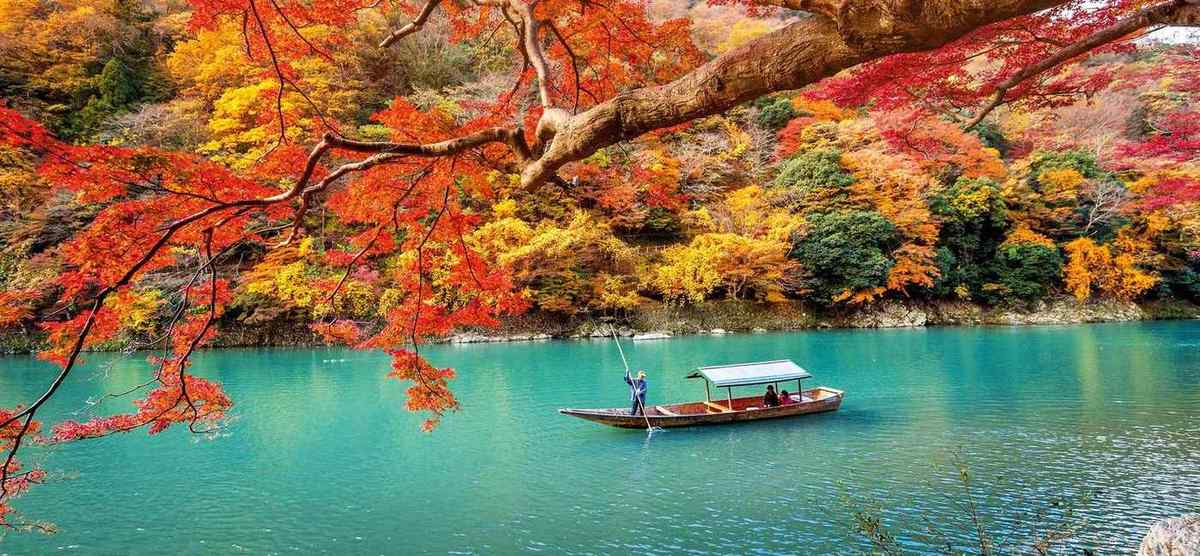
A day on foot and on public transport takes in the city's best. Ride out to the Arashiyama Bamboo Forest, where the stems rise far overhead, then on to Tenryuji Temple. From Togetsukyo Bridge, look down on the Katsura River, then board the purple Randen Train out to Ryoanji Temple, home to the country's most celebrated rock garden. The day ends at the Golden Pavilion, or Kinkaku-ji, a gilded 14th century structure held in great affection here. (B)
Day 8: Kyoto
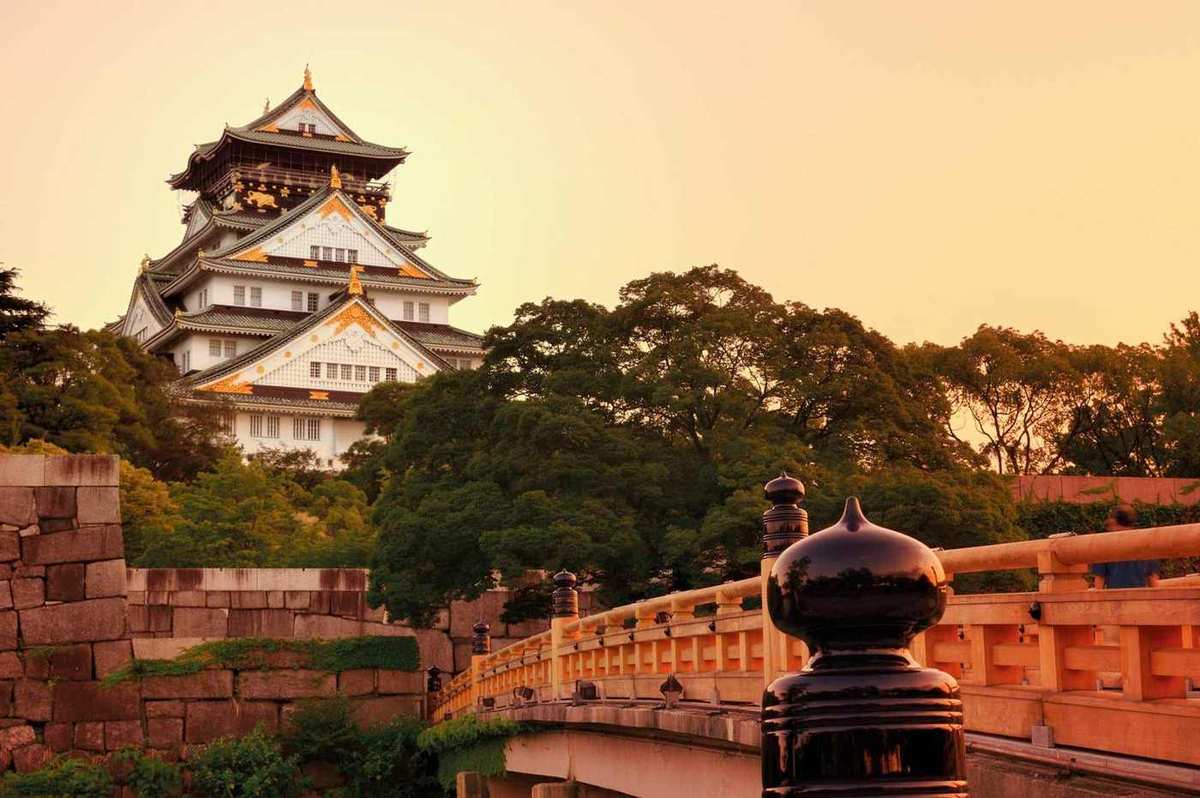
Another open day, to spend as you please. Options include a train to Hiroshima and its history, Osaka for the castle there, the deer that roam freely in Nara, or Himeji Castle. Pick whichever appeals. (B)
Day 9: Kyoto
One more day to take Kyoto at your own speed. The trip closes tonight with a kaiseki farewell dinner in the company of a Maiko, still in her apprentice Geisha years. (B,D)
Day 10: Departure from Kyoto
The trip ends here, though the stories go home with you. Kyoto Train Station is a short walk from the hotel, and from there you continue to the airport under your own arrangements. (B)
What´s included
- 9 nights in described Hotel or similar
- Daily Breakfast for 2 Persons
- 2 local lunches
- 2 local dinners
- 7 Day Rail Pass
- Every high-speed rail journey listed in the programme above
- Transport in air-conditioned vehicles
- Small group touring
- All Entrance fees
- English speaking tour leader
- All Tipping
- Arrival and departure transfers
Excluded
- Any Personal Expenses
- Visa fees
- Porters
- Travel insurance, plus private costs: laundry, mini-bar, phone calls and drinks
Get a Quote
Please be aware that nothing is booked automatically through this page. Sending an enquiry does not secure the trip. Our reservations team replies with prices and a confirmation, and once that proposal reaches you there is time to look it over before anything is finalised with us.